Understanding Perception
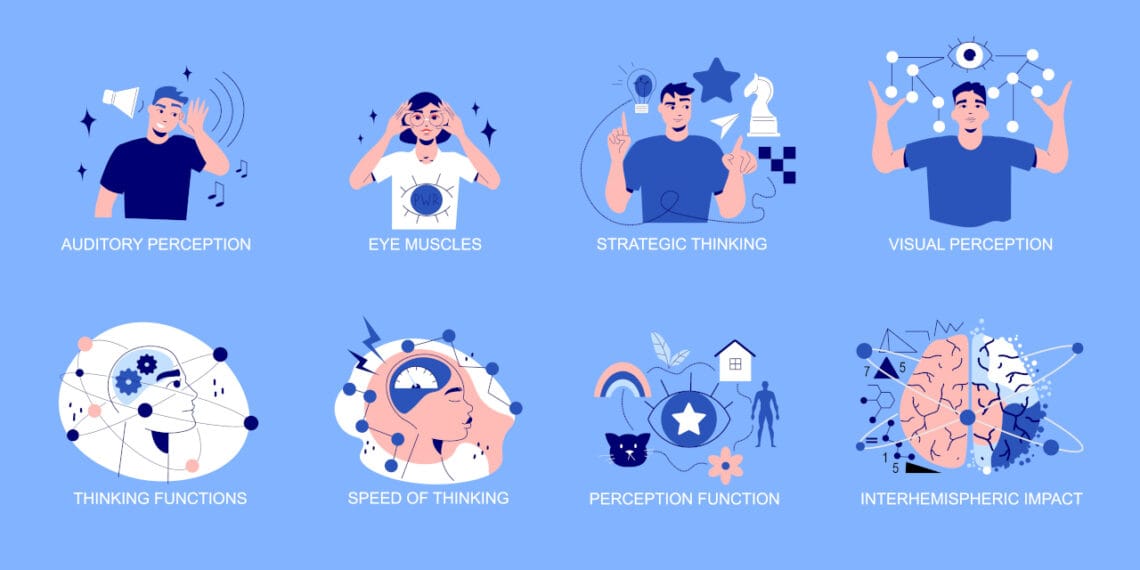
Perception is a complex process that involves interpreting sensory information from the environment. It plays a crucial role in how we understand the world and interact with it. Various types of perception can influence our thoughts, feelings, and actions, making it essential to grasp its different forms.
The Role of Context in Perception
Context plays a significant role in how we perceive our surroundings. Often, our cultural background, past experiences, and even current mood can influence our perception of reality. For instance, two individuals may taste the same food but describe it differently based on their personal experiences or cultural significance. This demonstrates that perception is not solely about sensory input but also involves cognitive processes that can vary greatly from person to person.
Understanding the different types of perception can enhance our awareness of ourselves and others. By recognizing how perception shapes our experiences, we can improve our communication and empathy in various situations.
Types of Perception
There are several types of perception that shape our experiences. The most common include visual, auditory, tactile, and olfactory perceptions. Visual perception allows us to interpret things we see, such as objects, colors, and motion. Auditory perception enables us to recognize sounds and music, while tactile perception involves our sense of touch, allowing us to feel textures and temperature. Lastly, olfactory perception relates to our sense of smell, helping us identify different aromas.
Here are some examples of different types of perception:
1. Visual Perception: Recognizing objects and their properties, such as identifying a tree by its shape, color, and texture.
2. Auditory Perception: Interpreting sounds, like distinguishing between the sound of a car horn and a bird chirping.
3. Tactile Perception: Sensing touch, such as feeling the texture of silk versus sandpaper.
4. Olfactory Perception: Detecting smells, like recognizing the scent of fresh bread or flowers.
5. Gustatory Perception: Tasting flavors, such as differentiating between sweet, salty, bitter, and sour tastes.
6. Selective Perception: Focusing on certain stimuli while ignoring others, like hearing your name in a noisy room.
7. Social Perception: Understanding and interpreting social cues, such as recognizing someone’s emotions through their facial expressions.
8. Multisensory Perception: Integrating information from multiple senses, like enjoying a meal by combining the taste, smell, and sight of the food.
9. Illusions: Experiencing deceptive perceptions, such as optical illusions where lines appear to be different lengths but are actually the same.
10. Stereotyping: Forming biased perceptions based on preconceived notions about a group of people.
These examples illustrate how perception shapes our understanding and interaction with the world around us.




 Course Teachings Revelation Teachings